# sFTP

Sftp manages jobs related to files transferred to ISM sFTP server. ISM provides bundled sFTP server. The users are managed through Admin/sFTP User menu. The users of this sFTP are not the system user but sFTP only user.

Once a file arrives at ISM sFTP server, sFTP server checks whether the file matches registered job trigger. If a matched job is found, the linked flow is executed.

&#x20;

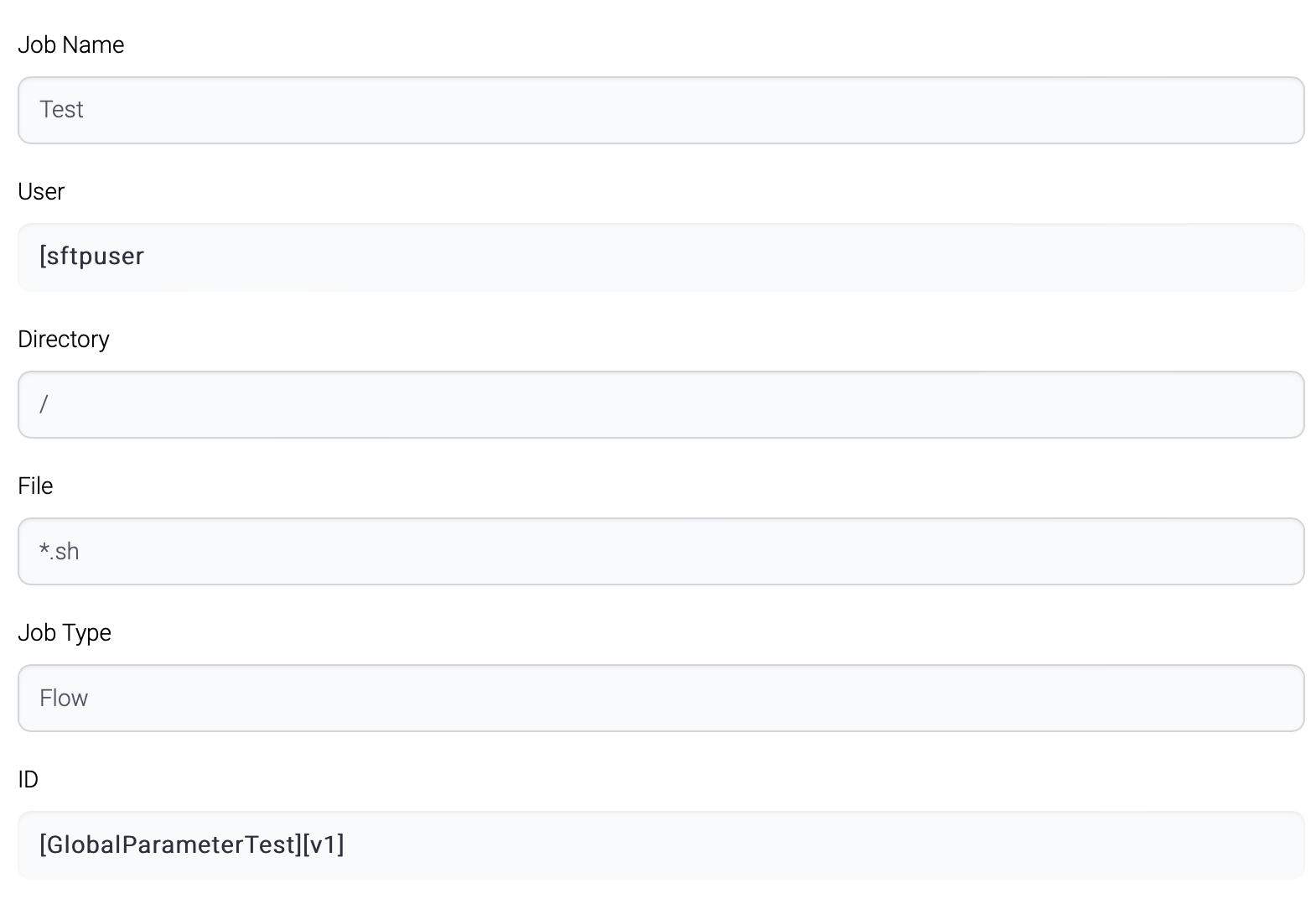
<figure><img src="https://support.xnarum.com/download/manuals/ISM-Manual-2023.fld/image060.png" alt=""><figcaption></figcaption></figure>

&#x20;

<table><thead><tr><th width="179">Name</th><th>Description</th></tr></thead><tbody><tr><td>Job Name</td><td>Name of the job</td></tr><tr><td>User</td><td>Sftp user</td></tr><tr><td>Directory</td><td>The directory to check files</td></tr><tr><td>File</td><td><p>Target file. Wildcard (*) can be used.</p><p>For example, *.sh can be used.</p></td></tr><tr><td>Job Type</td><td><p>Flow - execute a flow.</p><p>Script - execute a batch script file.</p></td></tr><tr><td>ID</td><td>Flow ID</td></tr></tbody></table>

&#x20;

<figure><img src="https://support.xnarum.com/download/manuals/ISM-Manual-2023.fld/image061.png" alt="" width="563"><figcaption></figcaption></figure>

The port and directory for sFTP is configured in properties/sftp.config.yml file.

This file contains these properties.

<table><thead><tr><th width="198">Name</th><th>Description</th></tr></thead><tbody><tr><td>port</td><td>sFTP listening port</td></tr><tr><td>root-directory</td><td><p>sFTP root directory.</p><p>All the user directories are created under this root directory.</p><p>Default directory is data/sftp.</p></td></tr></tbody></table>

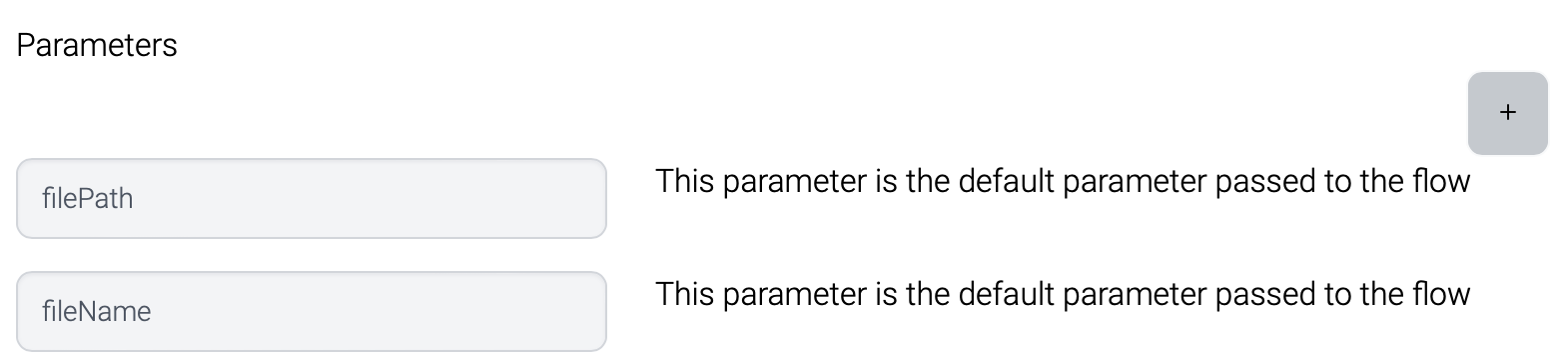
When a file is transferred, these two parameters are generated and passed to the flow.

![](https://support.xnarum.com/download/manuals/images/sftp-parameters.png)

Those values are wrapped in sftp parameter.
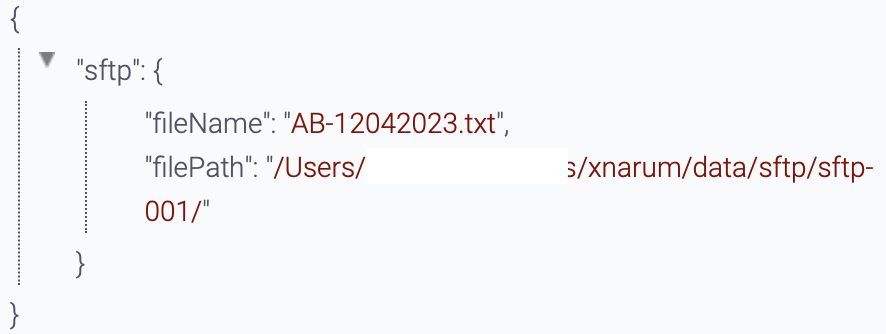
![](https://support.xnarum.com/download/manuals/images/sftp-parameters-result.png)

Additional parameters can be configured and passed too.


---

# Agent Instructions: Querying This Documentation

If you need additional information that is not directly available in this page, you can query the documentation dynamically by asking a question.

Perform an HTTP GET request on the current page URL with the `ask` query parameter:

```
GET https://ism-docs.xnarum.com/ism-admin-ui/channel/sftp.md?ask=<question>
```

The question should be specific, self-contained, and written in natural language.
The response will contain a direct answer to the question and relevant excerpts and sources from the documentation.

Use this mechanism when the answer is not explicitly present in the current page, you need clarification or additional context, or you want to retrieve related documentation sections.